
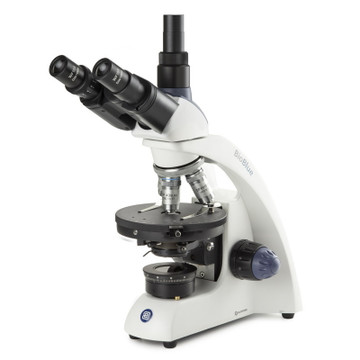
-

-
-
-
-
-
-
-
-
-
-
-
MA311 Halogen Lamp 6V, 20W
$30.00 -
-
-
-


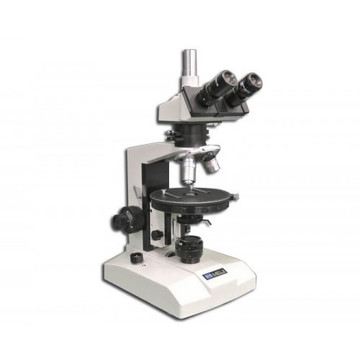
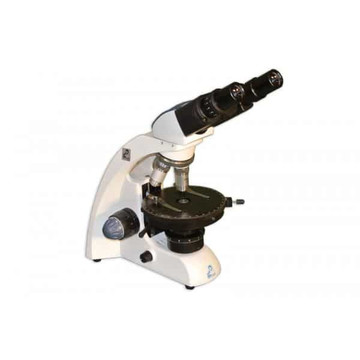
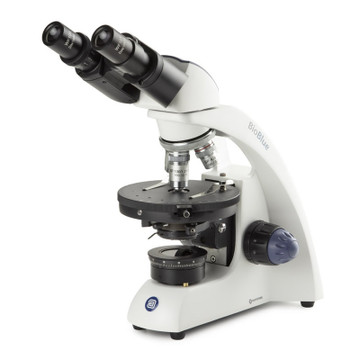

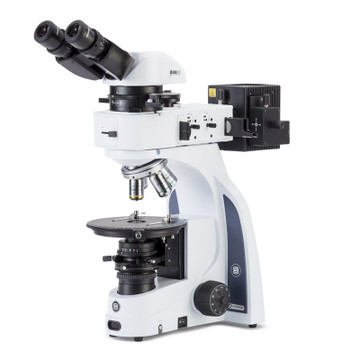


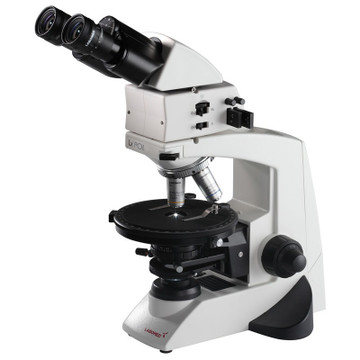


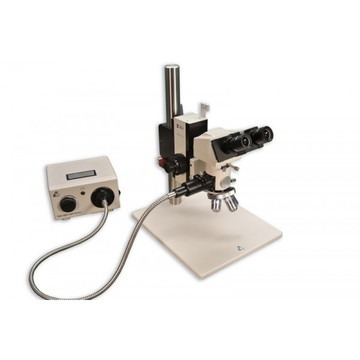


Researchers across all fields depend on their microscopes, expecting them to be reliable and comfortable. We have the highest quality polarizing microscopes, whether you need them for medical, industrial, or hobbyist applications.
A polarizing microscope, also referred to as a polarizing light microscope (PLM), is a traditional optical microscope with the addition of polarizing filters and strain-free objectives that act to polarize visible light. These microscopes use two filters: a polarizer, which is positioned in the light path before the specimen and usually fixed in an East-West position, and an analyzer, which is a second polarizer placed in the optical pathway between the objective rear aperture and the observation tubes, fixed in a North-South position. The analyzer can slide in and out of the source of light. Using the polarizer by itself will assist the user in studying the sample under polarized light while using both filters, polarizer, and the analyzer will allow the user to study the sample under cross-polarized light. While no light can pass under cross-polarized light, it is still possible to use it to discern mineral characteristics.
Professional grade polarizing microscopes are equipped with a Bertrand Lens system and compensator plates. These microscopes are used in medical applications, like Rheumatology, to view crystals in urine. Detecting defects in semiconductors and finding stress points in metal and glass are just some of the ways these specialized microscopes can be used in industrial applications. Other fields these microscopes are often used in include but are not limited to geology, petrography, biochemistry, biomedical research, and studying fibers suspended in liquid on behalf of the petroleum and oil industry.
Just a few of the amazing ways to use polarizing microscopes:
- Discern mineral characteristics
- View thin sections of birefringent specimens
- Study thin meteorite specimens
- See stunning specimen coloration
- Detect defects in semiconductors
- Find stress points in glass or metal
- Analyze content and chemical makeup of many different organic and inorganic materials
- And so much more!
Custom Quotations on Polarizing Microscopes
Let our experts create a custom quote just for you with our best pricing and terms on polarizing microscopes. Simply tell us your requirements, and we'll do the rest.
If you need product advice, technical support, or to enquire about quantity discounts, feel free to contact us by email or call us at (877) 877-7274.
New York Microscope Company is the only microscope company to offer a Free Service Protection Guarantee with the purchase of every microscope. Visit our Free Service Protection page for more details.